- Resources
- Food and agriculture companies: a challenge from a millennial mom
Resources
Food and agriculture companies: a challenge from a millennial mom
Published: August 30, 2018 by EDF Staff
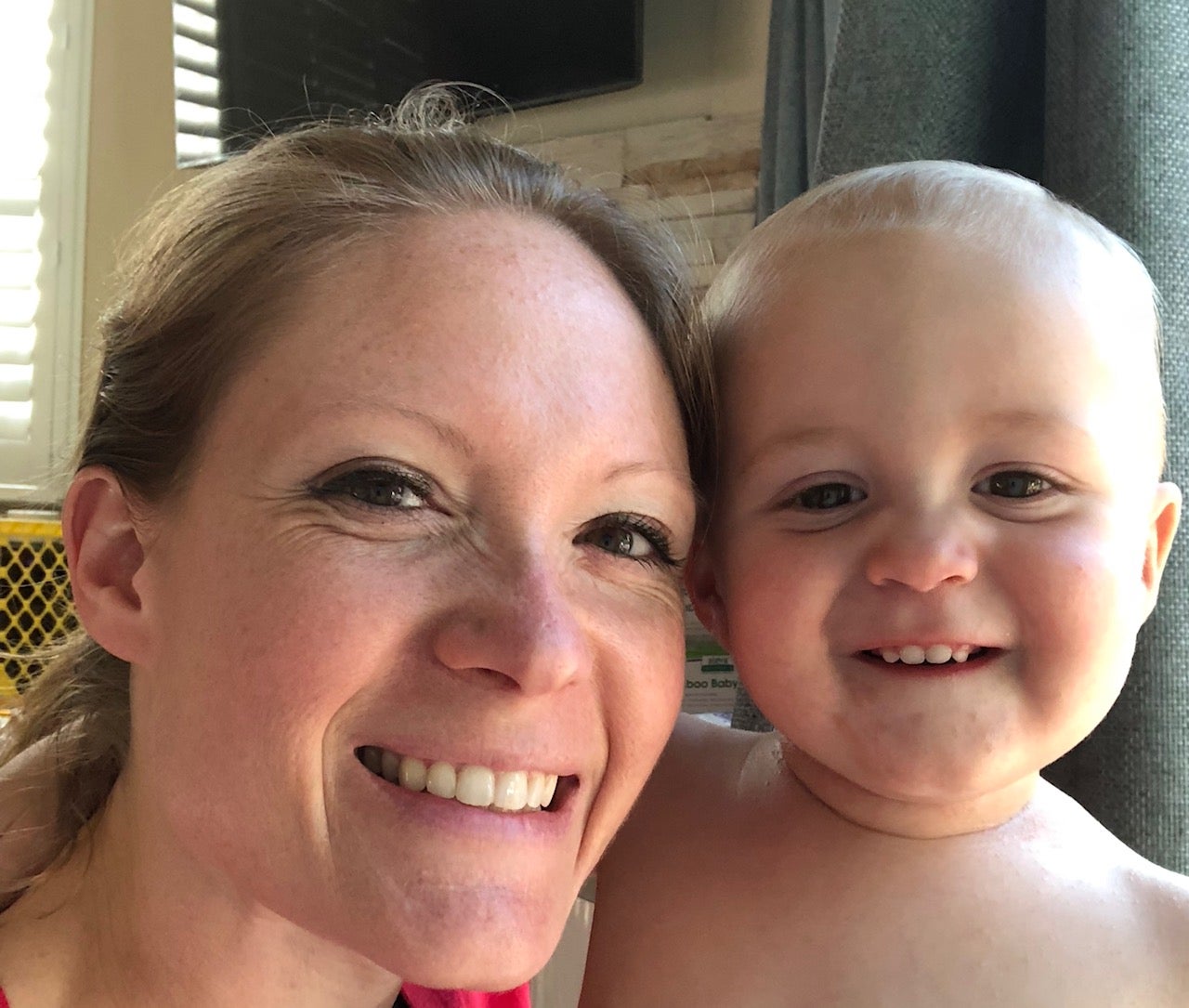
As a working mother, I often have to multi-task. Recently, as I watched my toddler push his food around his plate, I caught up on last week’s news that Fortune had released its annual “Change the World” list of top companies using the profit motive to help the planet and tackle social problems.
About 10 percent of this list consists of corporate leaders who are thinking critically about the challenge to feed our world in a sustainable way without destroying our planet, including companies like Kroger (#6), Walmart (#16), Tyson Foods (#44), McDonald’s (#50) and PepsiCo (#57). These companies know that a thriving community requires a fed community.
While I’m thankful to Fortune for sharing best practices from these incredible, game-changing companies, I’m also painfully aware that the corporate sector at large has a lot more work to do: a recent survey by Bain & Company found that only four percent of companies feel that they’ve succeeded in achieving their sustainability goals, while 47 percent feel that they’ve failed altogether.
Speaking as both a mother and a sustainable supply chain specialist, that’s simply not good enough. We are already facing the massive challenge of producing even more food with fewer inputs. We are already facing increasingly variable weather. And in just a few decades, our planet will be home to 2 billion more people to feed.
What’s my point? Next year, food and agriculture companies, I want to see more of you on Fortune’s list. So to help you on this quest, I’m officially issuing you a two-part challenge:
I. Engage every part of your supply chain
This means going after your Scope 3 emissions, which encompass every component from product design to end use of your company’s supply chain.
For agricultural supply chains, there are three main stakeholders: farmers, companies and consumers. It’s important to ensure farmers are rewarded for their stewardship, companies feel knowledgeable about reducing their supply chain risk and consumers have access to transparent information about their environmental footprint from the foods they eat. Trust me: I am not the only mother who cares about the path food takes from the farm to my baby’s plate.
Translating across these groups requires patience and creativity. It also requires compromises and trade-offs. Grocers and food retailers are stepping up to show they can make a difference, but from their unique position in the middle of the supply chain, they have the opportunity (and an obligation) to engage both with their agricultural suppliers, as well as with everyday consumers, like you and me. Managing Scope 3 emissions both upstream and downstream isn’t easy, but it pays off.
II. Collaborate to get alignment – across your supply chain and across your industry
Part of my role on the EDF+Business team has been to understand the motivations of each of the nodes in the chain from input producers (like fertilizer and equipment companies) to agriculture retailers, farmers, grain aggregators, transportation and food service companies, grocery stores and finally, to consumers.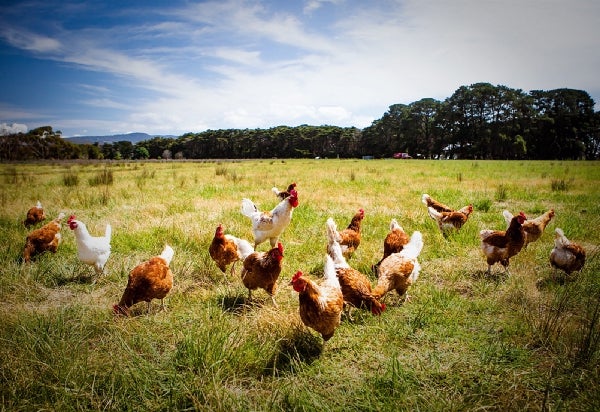
I won’t lie: getting alignment across this diverse array of nodes can be slow, complicated and even tedious (imagine how different the needs and pressure points are between, say, growers and consumer packaged good companies or retailers, who are on opposite ends of the chain).
The key to even getting started on alignment? Collaboration. There are many, on-going ways to “partner up”, such as:
- With an environmental NGO, such as EDF, WWF, TNC, TSC, or CI. We all have different specialties and skills, but we all exist to help you succeed. Call us!
- With your suppliers. In the past year, nearly 20 major suppliers, representing about 30 percent of food and beverage sales in North America, have looked across their supply chains and developed collaborative plans to reduce fertilizer runoff and improve soil health.
- As part of an initiative: EDF+Business is collaborating with companies like Smithfield, Campbell Soup Company, and Land O’Lakes in response to Walmart’s fertilizer optimization goal. The Land O’Lakes SUSTAIN platform aims to enroll 20 million acres in sustainable farming practices by 2025.
- Across your industry: EDF is a part of the Midwest Row Crop Collaborative, a group of companies and NGOs that shares best practices in row crop agriculture in order to scale supply chain solutions.
Food and agriculture companies specifically have an opportunity to invest in farmers, rural communities and water quality while simultaneously reducing emissions from the sector that contributes to 9 percent of the US’ total footprint. Alignment up and down the chain like this offers up a wealth of opportunity.
So please accept my challenge, food and ag companies. You truly will be “changing the world” a feat that will not only get you noticed by Fortune, but will win you accolades from your customers and shareholders as well.
For more posts like this, follow Sara Kroopf on Twitter.