Climate Corps® India Hosts
Ashoka-Environmental Defense Fund Climate Corps Fellowship Program
Hosting a Climate Corps fellow is a low-cost, low-risk way to advance your sustainability goals.
Ashoka-Environmental Defense Fund Climate Corps® Fellowship is an innovative program that trains talented and passionate postgraduate students and pairs them with companies and public institutions committed to meeting climate goals and helping to strengthen the Indian economy.
Environmental Defense Fund (EDF) is partnering with AshokaX, a unique initiative from Ashoka University for lifelong learners, to execute this fellowship in India, to build a skilled green workforce and accelerate net-zero and sustainability goals. Learn more about the partnership between AshokaX and EDF here.
Fellows work with host organizations for 3 or 6 months, designing tools and recommendations for emissions reduction, mapping climate commitments, reducing energy consumption, procuring renewable energy, electrifying fleets, and engaging suppliers.
Climate Corps plays an important role in Environmental Defense Fund’s mission to building a vital Earth for everyone by bolstering sustainability teams’ capacity to advance climate solutions while building the next generation of climate leaders.
3500+
host, fellow, and alumni network contacts around the world
40%
of Fortune 100 companies have hosted fellows
17
years of experience in advancing climate solutions and cultivating climate careers




Program Timelines
- 1 September 2026: Host application window opens
- 15 February 2027: Final host application deadline
- February–March 2027:
- Your team is custom-matched with a fellow best suited for your project
- Fellows attend a two-month-long training to build skills and knowledge for their fellowships
- April–September 2027: 3-month and 6-month long fellowships take place, on-site or remotely
- October/November 2027: Fellows, alumni, and hosts attend the annual Climate Corps Summit
Program Structure
- Fellowship Duration: 3 or 6 months
- Stipend: INR 50,000 per fellow per month (paid by host organization)
- Fellow Profile: Postgraduate students and early-career professionals with 2+ years of work experience and equipped with two-month long Climate Corps training
Sectors
Climate Corps® fellows work with impactful private and public sector organizations to set and meet ambitious sustainability & net zero goals across high emitting sectors such as:
- Freight and Logistics
Reducing Scope 3 emissions, engaging suppliers on sustainability initiatives, zero-emission medium and heavy-duty vehicle fleets - Agriculture/Food Systems
Incorporating climate smart practices, measuring and reducing emissions across the agricultural and food value chains - Manufacturing
Reducing emissions, incorporating material circularity to manufacturing processes, enabling efficient industrial operations - Sustainable Finance
Climate risk assessment, sustainable financing, climate-related policy and disclosures, investing in net-zero transition
Featured Host Organizations














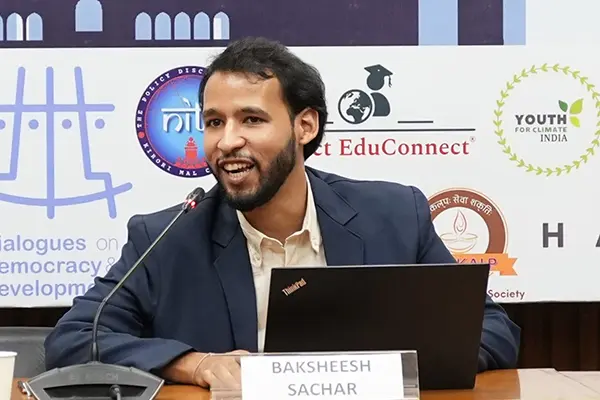











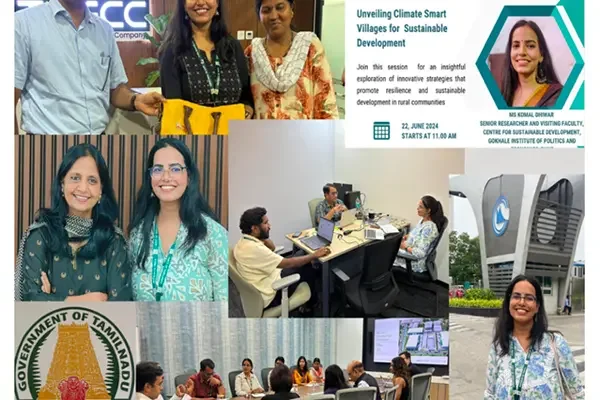
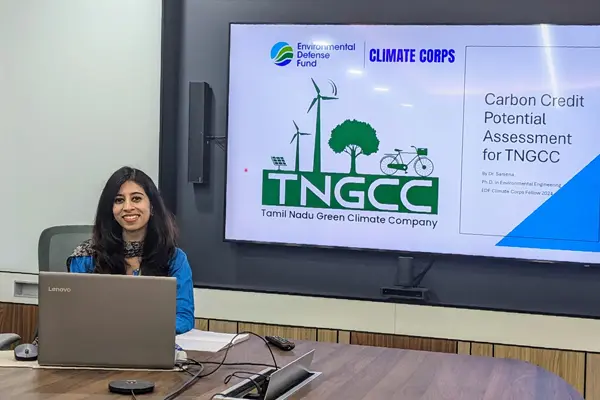

Frequently Asked Questions
What types of organizations can participate?
The program works with a diverse range of organizations, including:
Corporates across sectors
Startups and climate tech companies
Nonprofits and social enterprises
Public sector organizations
Any organization looking to advance its sustainability journey can benefit from hosting a fellow.
Who are Climate Corps fellows?
Fellows are carefully selected, Master’s level students or early-career professionals with at least 2 years of work experience and a demonstrated interest in climate and sustainability. They come from diverse disciplines and bring fresh perspectives, structured thinking, and a willingness to engage deeply with complex business challenges.
All fellows are trained in emerging sustainability areas and practical problem-solving before starting their projects, enabling them to contribute meaningfully from day one.
How are fellows matched with organizations?
Matching is based on:
Project requirements and technical needs of the hosts
Fellows’ skills, backgrounds, and interests
Sectoral alignment
The goal is to ensure a strong fit that maximises both impact and learning.
What is the duration of the fellowship?
Each fellowship project typically runs for either 3 months or 6 months after mutual alignment between the fellow and host.
Is there a cost involved in hosting a fellow?
Yes, each fellow receives a monthly stipend of INR 50,000, which is borne by the host.
Will the fellow work full-time on the project?
Yes. Fellows are expected to work full-time on their assigned projects during the placement phase, ensuring focused and consistent progress.
What is expected from host organizations?
Host organisations are expected to:
Define project scope with deliverables
Nominate a point of contact/mentor for the fellow
Provide relevant data, context, and access required for the project
Offer periodic feedback and guidance to the fellows
Participate in check-ins with the Climate Corps team to ensure alignment
Review and approve the fellows’ project deliverables as part of the fellowship.
The Climate Corps team supports both fellows and hosts to ensure smooth execution.
What is the role of Climate Corps once the fellow starts working with the host?
Climate Corps periodically engages with the fellows and hosts through structured touchpoints to ensure the smooth running of projects. Schedule of touchpoints:
Kick off between fellow, host, Climate Corps team within a week of the start of the fellowship:
To get aligned on the project and timelines and to provide any resource-related or expert connection support to fellows and hosts
Monthly meetings between fellow and Climate Corps team:
To ensure desired progress is being made on the project and provide any support that the fellow or host may require from Climate Corps. It’s optional for hosts to attend these meetings.
End point meeting between fellow, host, and Climate Corps team towards the end of the project:
Here, the fellow gives a presentation on project goals, results, outcomes, and impact to both the host and Climate Corps and shares their learnings.
Post the presentation, the fellow also submits final deliverables to Climate Corps, including a report and public summary, after getting them approved by the host. This marks the formal conclusion of the engagement between the fellow and the host.
How is the confidentiality of our data ensured?
Climate Corps recognises that fellows may work with sensitive organisational data. Fellows are expected to adhere to strict standards of professionalism, integrity, and confidentiality throughout their engagement.
We encourage hosts to clearly communicate any specific confidentiality requirements at the outset to ensure alignment.
Fellows and hosts are not expected to submit or share any confidential information with the Climate Corps.
Can we hire the fellow after the program?
Yes. Many host organizations choose to continue working with fellows beyond the program, either through full-time roles or extended engagements. Please note that any such arrangements are made directly between the fellow and the host organization. Climate Corps does not play a role in or influence these decisions.
How do we get started?
To host a fellow, contact paridhi.mishra@ashoka.edu.in, and let’s have a scoping discussion about your organisation’s priorities and project requirements.
The applications will open in August/September 2026.
Ready to apply or have questions?
Thank you for your interest in Climate Corps! You can save your application and return to it later or share it with others in your organization.
Once you have submitted the application, we will review it and notify you if further documentation or information is required. If you have any questions while completing or submitting the form, please contact the Climate Corps India Team at: climatecorpsindia@ashoka.edu.in.