- Resources
- Modernizing crop insurance will help farmers adapt, not just recover
Resources
Modernizing crop insurance will help farmers adapt, not just recover
Published: November 10, 2026 by Vincent Gauthier
This post was co-authored by Vincent Gauthier, EDF; Gabe Lobet, AGree Coalition; and Addie McDonough, AGree Coalition.
Across the U.S., farmers are facing a growing pressure to adapt to extreme weather and water conditions driven by climate change. But planting a new crop, conserving scarce water or changing how fertilizers and other inputs are used can introduce financial risks that existing insurance options do not address.
Modernized crop insurance solutions can do more than help farms recover from losses. They can give producers greater confidence to invest in resilience and adapt to climate change.
Eight case studies developed by Environmental Defense Fund and AGree illustrate how insurers, producers, technology providers and other partners can leverage modernized solutions to address existing gaps in the crop insurance industry. The ideas range from earlier-stage approaches to pilot-ready opportunities, focused on making risk management more responsive to how farmers are adapting to climate change.
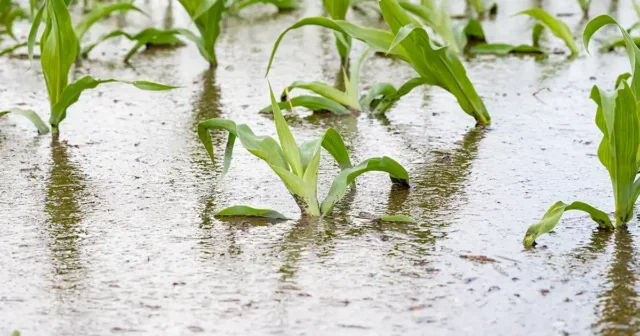
Changing weather conditions expose new insurance gaps
Crop insurance is one of farmers’ most important risk-management tools, protecting their operations against weather and market losses. The Federal Crop Insurance Program, administered by the USDA Risk Management Agency and delivered through private insurers and agents, has helped safeguard major crops and farm businesses for more than 85 years. But significant losses remain uninsured, and emerging weather and water risks now expose insurance gaps that make climate adaptation harder for farmers.
Farmers are facing record high input costs, depleting groundwater supplies and rapidly changing weather conditions that impact crop production. Meanwhile, insurance options are not adapting to new emerging risks quickly enough, leaving farmers to shoulder the financial risk.
Farmers looking to adopt new crops adapted to declining water supplies are held back by a system that requires production history to access sufficient insurance coverage. Farmers diversifying their revenue to manage volatile commodity markets by implementing agroforestry cannot access insurance appropriate for the unique production cycle of tree crops. And farmers looking to reduce their exposure to high input costs by reducing nitrogen fertilizer application are penalized by an insurance system predicated on maximizing yields instead of profit.
These are not only coverage gaps. They can become barriers to adaptation as farmers must accept the full financial risk of trying a new crop, practice or production strategy.
Private sector innovation can create insurance that adapts alongside farmers
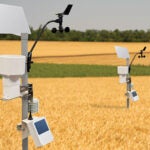
Thanks to emerging technology, the private sector has new opportunities to modernize crop insurance and address these gaps. Remote sensing, AI and parametric insurance can set a new course for how insurance responds to changing agricultural risks. The case studies show how modernized insurance would support adaptation, including:
- Pricing the value of soil health practices: Advanced research, remote sensing, and AI-supported crop models can help reflect soil health benefits in premiums. Examples include the recently announced NextGen Crop Insurance Pilot in Michigan and the Conservation Practice Rating Adjustment.
- Covering transitions to new crops: Crop models and parametric insurance can provide insurance coverage while producers adopt new crops, since production history is required to access effective insurance coverage in existing products. The Yield Index Insurance for New Crop Transitions in development by EDF and Praedictus Climate Solutions presents a strong opportunity to test these solutions.
- Detecting crop losses early to save water: Novel satellite data and water models can help loss adjustments happen faster, allowing farmers to stop irrigating crops unlikely to recover. The Satellite-based loss adjustment work led by University of Kansas and Kansas State University is researching this solution.
- Protecting profitability as input use change: Warranty products can reduce the risk of testing lower nitrogen rates and give farmers confidence. Examples include Growers Edge’s crop plan warranty and Purdue University’s Nitrogen ROI warranty.
The building blocks exist, but no single organization controls the data, distribution, capital, producer relationships and regulatory pathways needed to bring these ideas to market.
Over the coming year, EDF, AGree and partners will work with producer groups, the insurance industry, lenders and agribusinesses to advance insurance solutions that help farmers adapt to growing weather and water risks.
Together we will:
- Surface insurance barriers to adaptation through producer group engagement.
- Disseminate insurance innovation best practices to support joint learning and success.
- Convene stakeholders to spur partnerships and achieve scale.
We invite insurers, reinsurers, producer groups, lenders, agribusinesses and innovators to help shape the next generation of crop insurance. Explore the case studies, and identify where your organization’s expertise, relationships or resources can make the greatest difference.