- Resources
- Assessing the Climate Justice Case for Catastrophe Bonds
Resources
Assessing the Climate Justice Case for Catastrophe Bonds
Published: November 9, 2026 by EDF Staff
This post was authored by David Foye, Sustainable Finance consultant for the Environmental Defense Fund
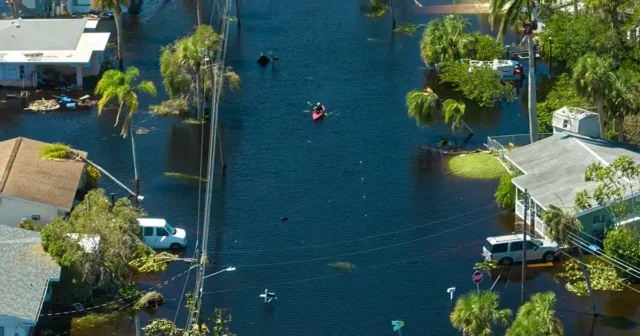
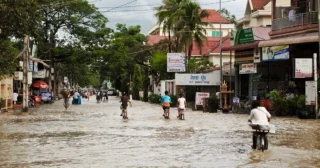
As storms, floods, droughts, and other climate-driven disasters intensify, their impacts are often absorbed by public budgets. Countries that have contributed the least to global greenhouse gas emissions are often among the most vulnerable to climate shocks. Funding the recovery from these events can increase their debt burdens, weaken credit profiles, and raise borrowing costs.
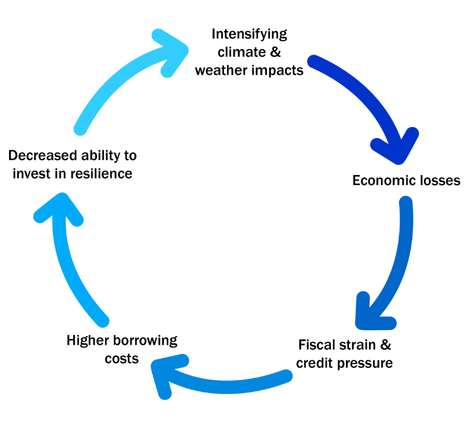
Catastrophe bonds offer an important response to this challenge. By transferring disaster risk from governments, insurers, and development institutions to global capital markets, they can provide pre-arranged funding for recovery after qualifying events, stabilize public balance sheets, and broaden who absorbs climate-related losses.
This issue brief explores the climate justice case for catastrophe bonds and how, with some design improvements, these financial instruments can become a tool to more equitably support post-disaster recovery and fund climate resilience.
Key findings:
For catastrophe bonds to more effectively and equitably allocate risk, the brief identifies three gaps that need to be addressed:
Pricing gap: Current catastrophe bond pricing is largely based on modeled expected loss and does not consistently recognize investments that reduce vulnerability, such as stronger building standards, ecosystem restoration, hardened infrastructure, or improved emergency response.
Outcome gap: Catastrophe bonds generally use event-based triggers, which provide fast payouts but are not always oriented around outcomes, such as whether the payout actually meets the recovery needs of affected communities.
Data access gap: Investors often have limited access to data that captures the vulnerabilities of communities most exposed to climate risk. Capital tends to flow more easily to risks that can be modeled, disclosed, and compared.
Recommendations:
The next evolution of the catastrophe bond market should move from risk transfer toward resilience financing. That means designing transactions that:
- Recognize resilience in pricing
- Connect capital to recovery outcomes
- Support resilience investment
To realize this potential, the market needs standardized disclosure, clearer resilience-impact criteria, better visibility into basis risk, and practical technical assistance so catastrophe bonds can better support resilience, recovery, and climate justice.
Catastrophe bonds already redistribute risk across the financial system and provide a vital source of recovery funds for climate-vulnerable communities. With some improvements, catastrophe bonds can also become more effective instruments for resilience and climate justice.
Sign up to receive future research updates on insurance
-
Actionable Insights for a Decarbonizing WorldExplore the Hub
-
Driving decarbonization through insurance innovationRead Blog